01
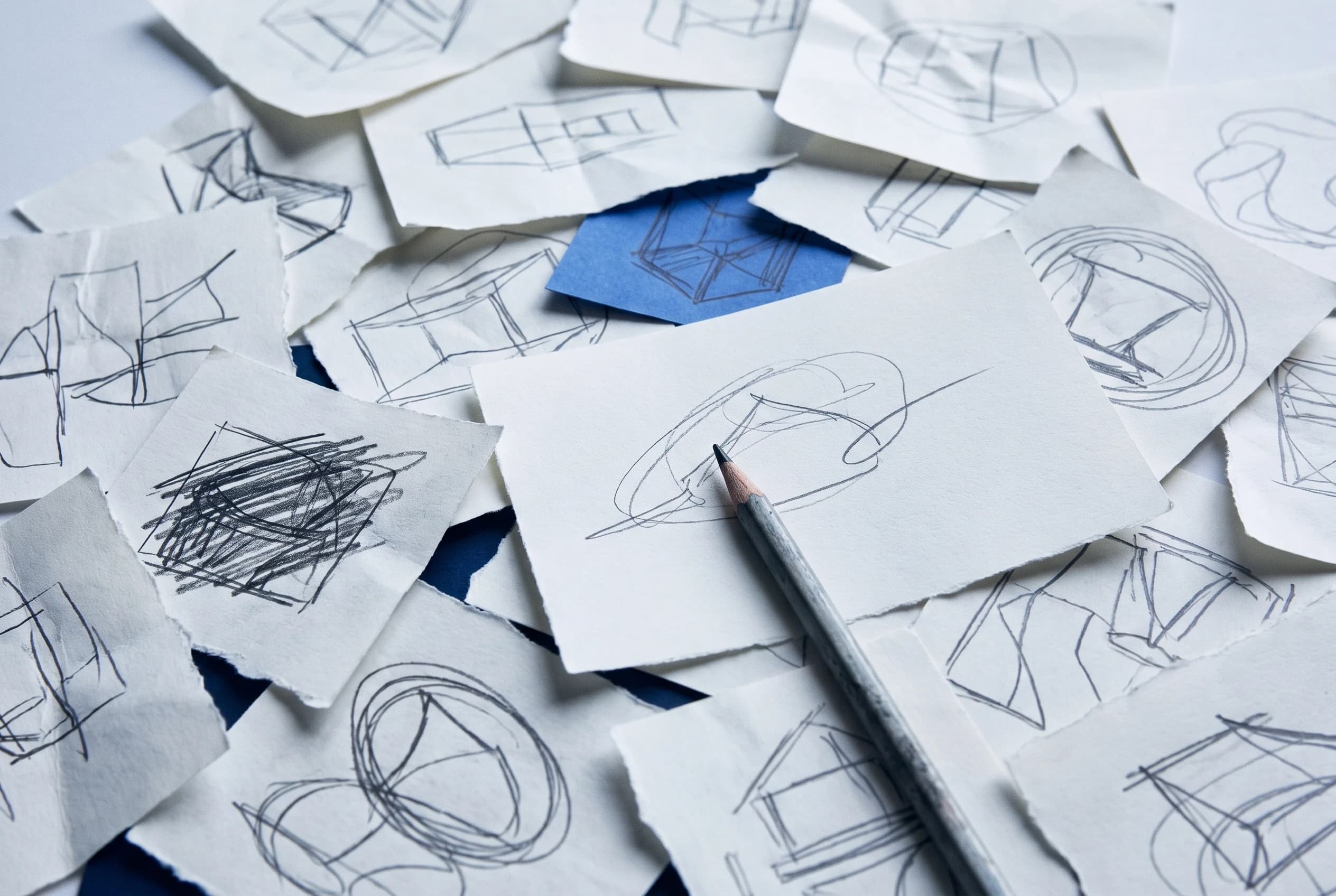
Concept generation
Generating candidate mechanisms against a stated constraint, then ranking them by what each would cost to falsify. The output is a shortlist of three, each with its first test.
I test whether a technical idea survives contact with physics, prior art and cost. The work is for founders and R&D leads holding a claim nobody has tried to falsify. Afterwards the claim has either a filing date or a written record of why it failed.
The output is a filing date or a falsified claim, with the experiment that decided it written down either way.
I start by writing the central claim as a test that could fail, then search the prior art before any bench time is spent. From you I need the idea, any data behind it and the budget for the first experiment. Each experiment is sized to cost less than the decision it informs, so a dead end is found cheaply.
The work stops at the patent drafting table or the kill memo. I hand over the search record, the test data and the filing strategy; I do not act as a patent attorney. Prosecution, formal freedom-to-operate opinions and regulated clinical work go to specialists I name before the engagement starts.
01
Generating candidate mechanisms against a stated constraint, then ranking them by what each would cost to falsify. The output is a shortlist of three, each with its first test.
02
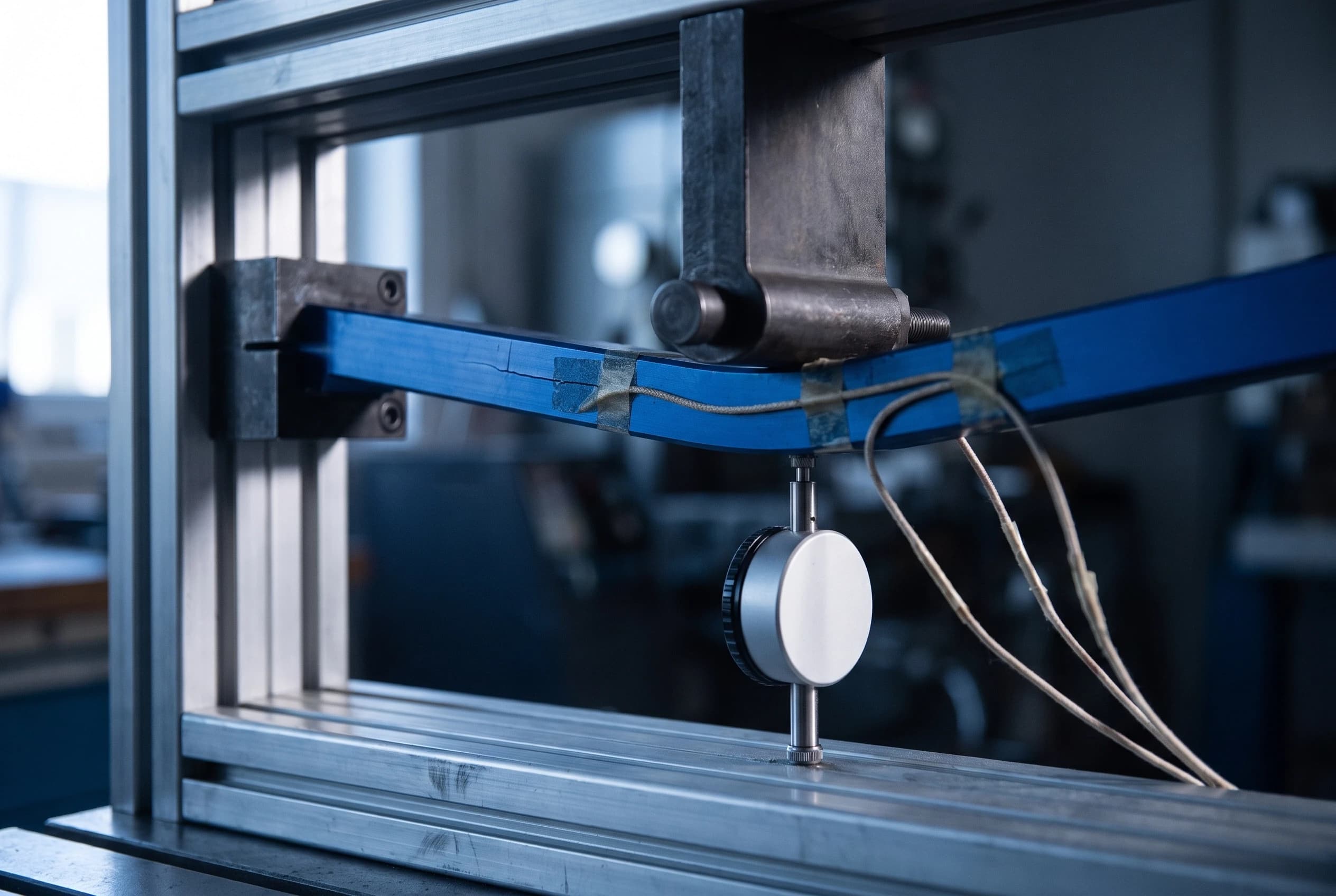
First-principles modelling and bench tests aimed at the claim most likely to fail. The output is a pass or a fail against a threshold set before testing began.
03
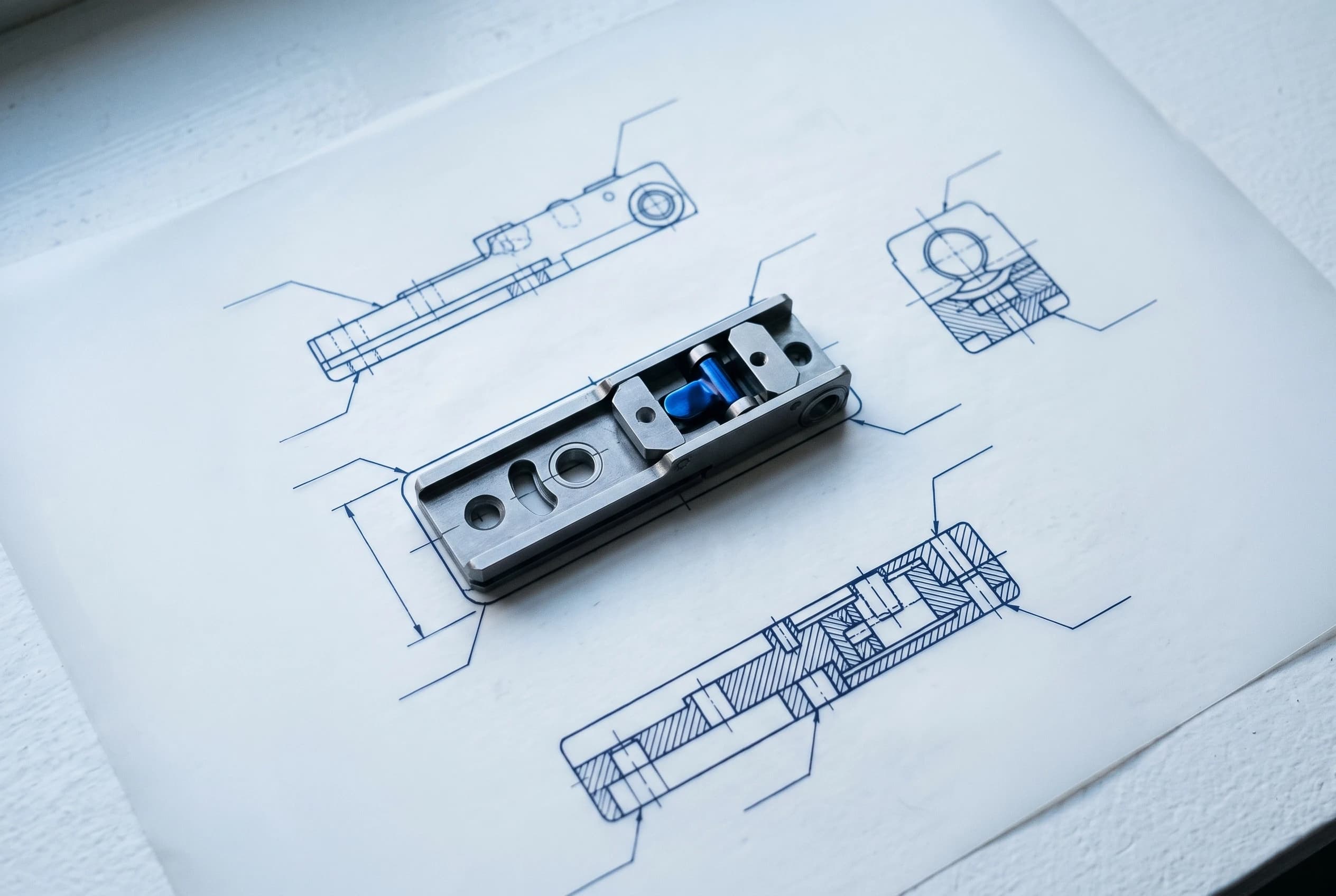
Prior-art search, a claim-drafting brief and the filing order across patents and design registrations. The output is a filing strategy with dates, jurisdictions and costs.
04
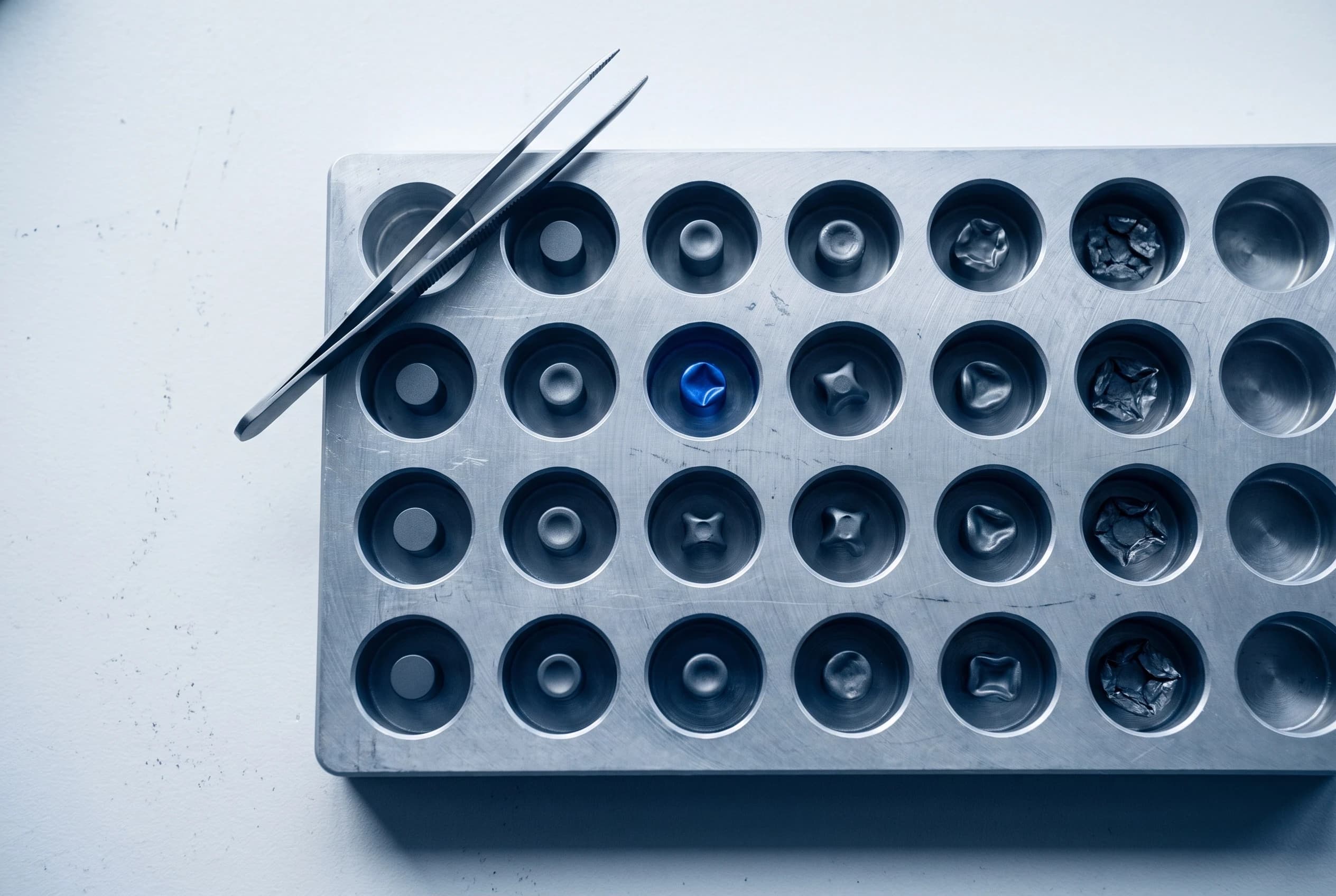
Small, cheap experiments run in sequence, each designed to kill the idea rather than confirm it. The output is a record of what was falsified and why.
05
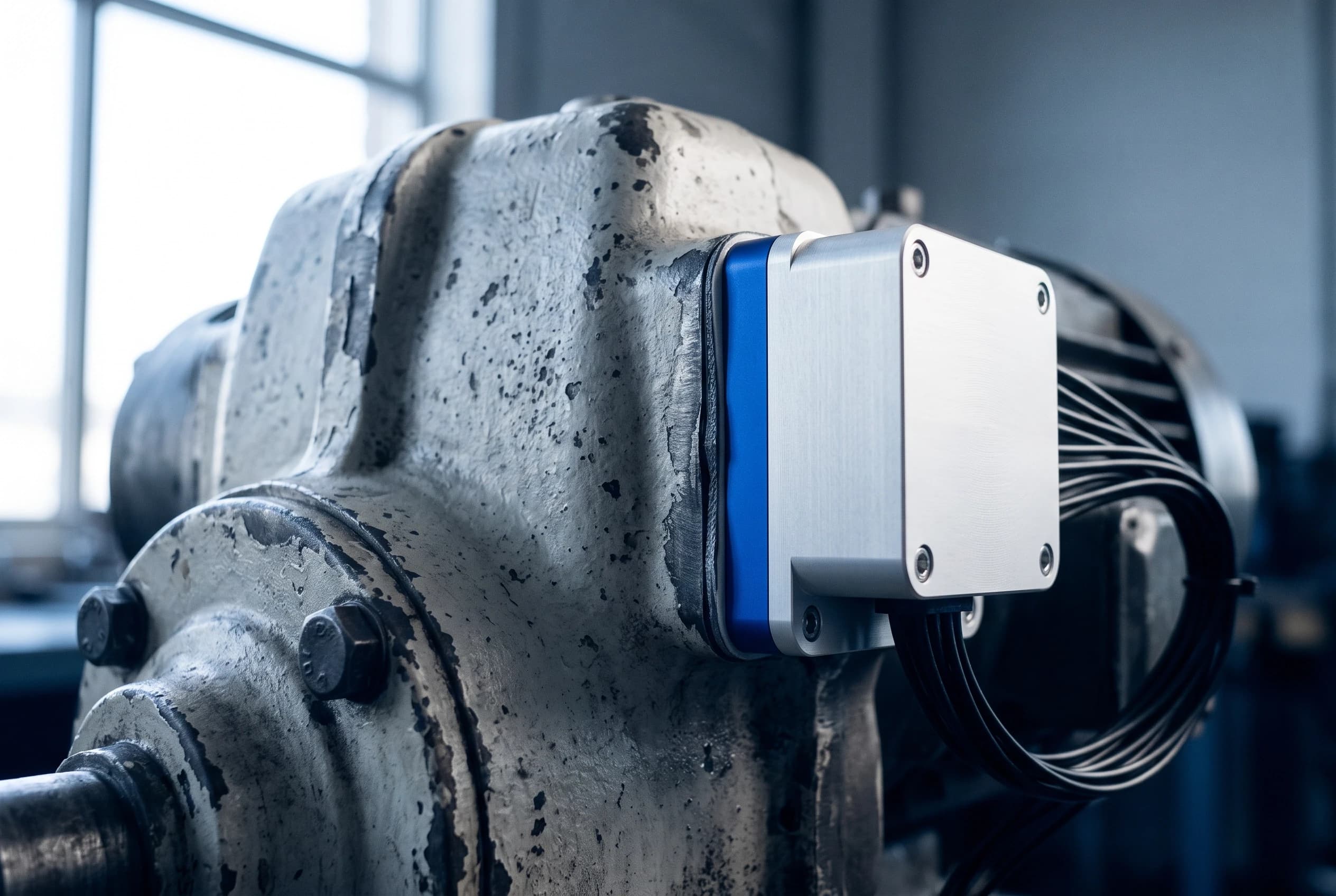
Assessing whether a new material, sensor or process is ready for the product or only for the paper. The output is a readiness call with the evidence behind it.
06
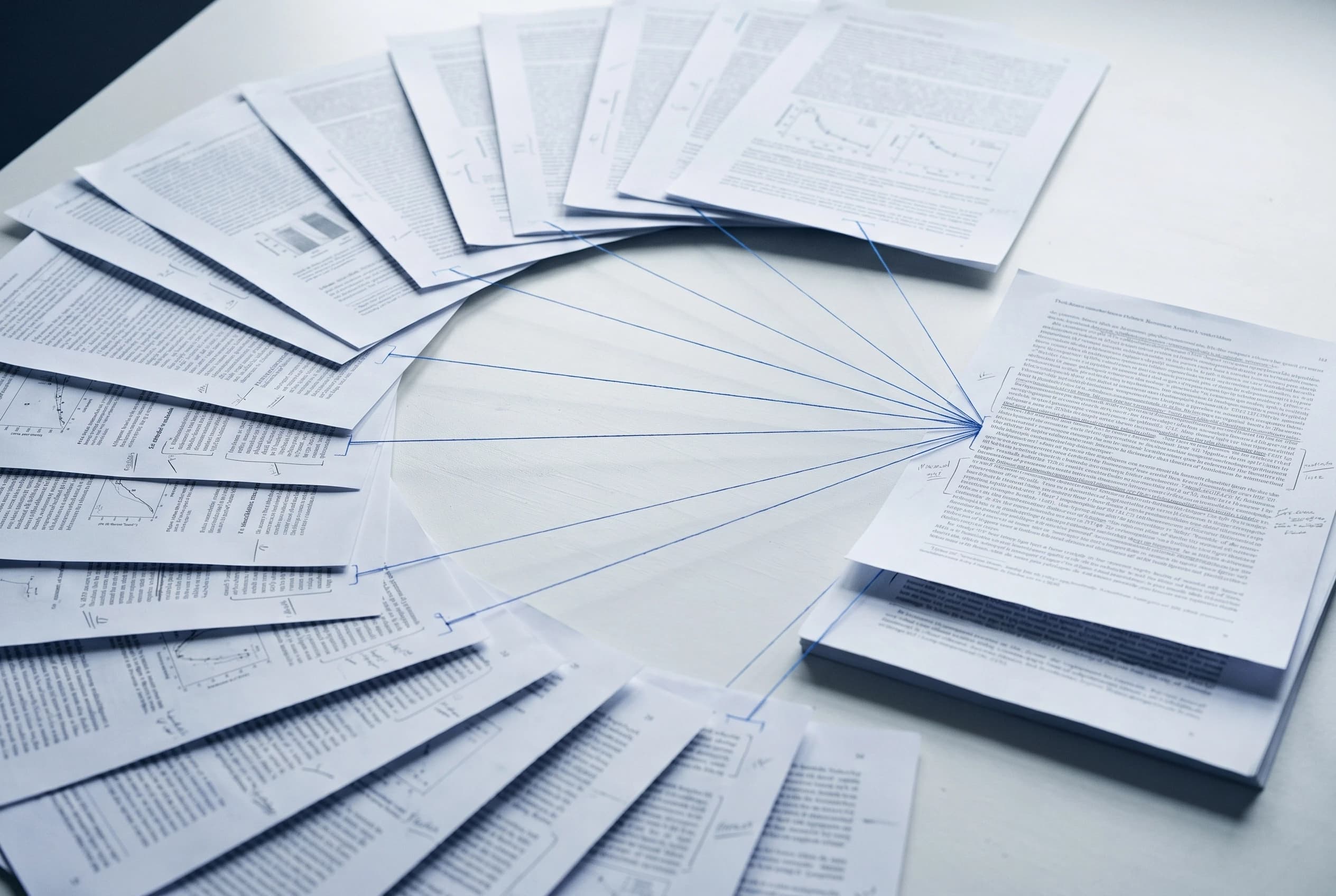
Reading the recent literature so the team does not rebuild a result someone has already published. The output is a cited brief sorted by what each finding changes.

NEXT STEP
It runs forty-five minutes, costs nothing, and ends with the prior art I would search first and the test I would run.